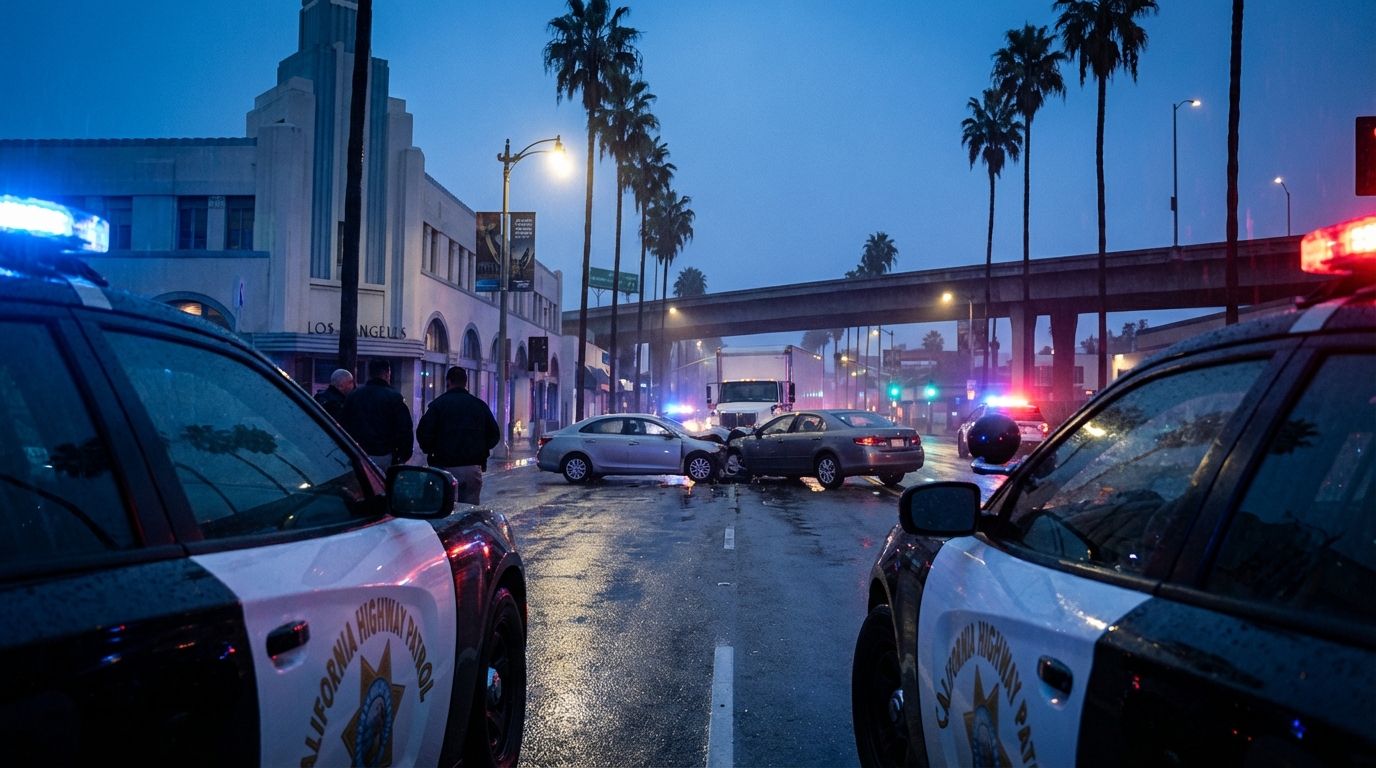
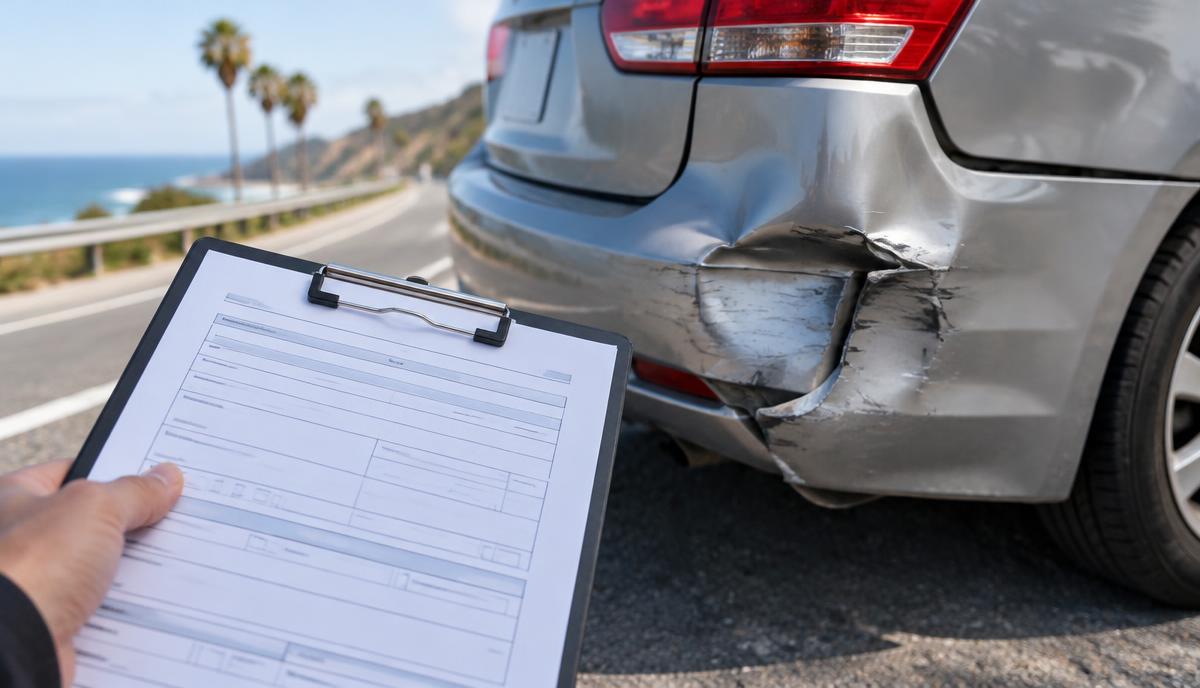
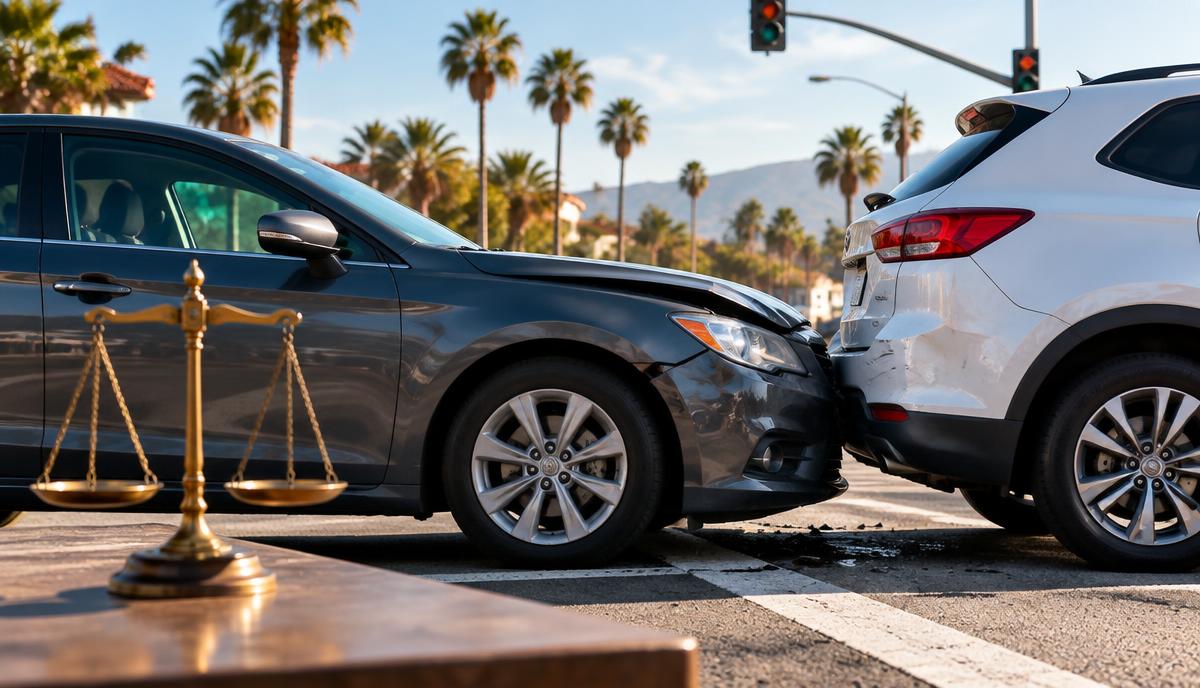
One moment we are driving on I-5 or heading through Mission Valley, the next there is a crunch of metal, airbag dust, and sirens. After a San Diego car crash, life can flip fast: pain sets in, medical bills start arriving, the car is in a shop or totaled, and insurance adjusters are calling before we even know what really happened. It is normal to feel scared, angry, and unsure what to do next, especially if a family member is also hurt.
If you are dealing with a San Diego car accident injury attorney search right now, you are likely worried about getting proper medical care, missing work, how rent or a mortgage will get paid, and how to prove the other driver was at fault. Rear-end crashes, intersections wrecks, or freeway pileups can all raise the same questions about fault, injuries, and fair payment, which we handle every day, including complex cases like a San Diego rear‑end collision attorney claim.
In the next sections, we will walk through what to do after a crash, how California insurance and fault really work, and why going up against an insurance company alone is so risky. We will also explain how a local firm with 30-plus years of experience, the Law Offices of Ronald B. Laba, steps in after car, truck, motorcycle, bus, and other serious accidents so you can focus on healing while we deal with the calls, paperwork, and fight for full compensation.
What To Do Right After a Car Accident in San Diego
Those first minutes after a crash in San Diego can feel blurry and chaotic. Your heart is racing, people are shouting, and your mind is trying to figure out if everyone is okay. In that storm of noise and adrenaline, a few clear steps can protect both your health and your future claim.
We will keep this simple and practical. Think of it as your “first-hour roadmap” after a wreck.
Protect Your Safety and Get Medical Help First
Your first job after a crash is safety, not arguing about fault or worrying about the car.
If you can move, try to:
Call 911 right away.
Get yourself and anyone else out of the flow of traffic, if it is safe to do so.
Turn on hazard lights and use flares or cones if you have them.
San Diego freeways and major streets are busy, and secondary crashes are common. Getting to a safer spot can prevent more harm to you, your passengers, and everyone around you.
Once emergency services arrive, let paramedics check you, even if you feel “okay.” Adrenaline works like a strong pain blocker. Serious problems like internal bleeding, concussions, and soft-tissue injuries often show up hours or days later, not at the scene.
Then, as soon as you can, get a full exam from a doctor or urgent care. This helps in two big ways:
Your health: Early treatment often means a better recovery. Doctors can catch hidden injuries before they get worse.
Your claim: Every visit creates a medical record that ties your pain, limitations, and treatment to the crash date. These records become key proof when we later explain your injuries to the insurance company or a jury.
We see many people try to “tough it out,” tell police or insurers that they are fine, then wake up the next day barely able to move. Insurance companies love those early “I’m okay” comments and will use them to argue that you were not really hurt.
Getting prompt care and following doctor’s orders shows that you took your injuries seriously from the start. That makes it much harder for an adjuster to minimize your case. It also lets a car accident injury attorney connect the dots between the crash and your medical bills, lost work, and long-term impact on your life.
If you want a more detailed checklist on early steps after any collision, you can also review these steps to take after a car accident.
Document the Scene and Your Symptoms
Once everyone is as safe as possible and medical help is on the way, the next key step is preserving evidence. Your memory will fade, and the scene will change fast. Simple actions with your phone can make a huge difference later.
If you are able, try to collect:
Photos and video
All vehicles from multiple angles.
Close-ups of damage.
Road conditions, traffic signals, stop signs, and any debris.
Skid marks or lack of skid marks.
Visible injuries like bruises, cuts, or swelling.
Witness details
Names, phone numbers, and email addresses of anyone who saw the crash.
If someone says, “I saw that driver run the red light,” ask if they are willing to be a witness and write down what they say as soon as you can.
Digital evidence
Your own account
As soon as you are calm enough, write down what happened: where you were going, the direction of travel, weather, speed, and anything the other driver said (for example, “I did not see the light” or “I was texting”).
This kind of evidence helps us later “rebuild” the crash. When an insurance company tries to claim you were speeding, or that the damage was minor, or that you must have been at fault, strong photos and witness statements often tell a very different story.
It also helps to track how you feel in the days and weeks after the crash. A simple pain journal works well. For example, you might jot down:
Where you hurt and how bad it feels on a 1–10 scale.
What activities are now hard or impossible, like lifting your child, sitting at your desk, or driving.
Missed workdays or events because of pain, appointments, or fatigue.
Along with a pain journal, save every piece of paper tied to the crash:
Medical bills and visit summaries.
Pharmacy receipts.
Physical therapy bills.
Receipts for crutches, braces, medical devices, or over-the-counter medications.
Tow and repair bills, rental car costs, and ride-share trips to appointments.
When we later present your claim, these records let us show not just that you were hurt, but how your daily life changed and what it truly cost you.
Be Careful What You Say to Insurance Companies
After a San Diego car wreck, the insurance calls usually start quickly. The adjuster may sound kind, calm, and “on your side.” They might say they just need a few details to “process your claim” or ask for a recorded statement so they can “speed things up.”
Their real job is to save the insurance company money, not to protect you. Many are trained to use your own words against you.
Common examples of questions that can hurt you:
“You are feeling better now, right?”
“You were able to drive yourself today, correct?”
“You did not see our insured until impact, so you are not sure how fast they were going?”
“So you were looking in your mirror right before the crash?”
“You said at the scene that you were okay, is that right?”
Short, innocent answers can later be twisted to say you admitted you were not badly hurt, that you were distracted, or that you share most of the blame. We have seen injured people lose thousands of dollars in fair compensation because of one rushed phone call.
Some simple rules help protect you:
Do not agree to a recorded statement for the other driver’s insurer.
Do not guess about speed, distances, or timing.
Do not say you feel “fine” or “better” when you still hurt.
Do not sign medical releases, waivers, or settlement forms without legal advice.
Instead, talk with a San Diego car accident injury attorney first. A lawyer can step between you and the adjuster, handle all communication, and keep you from falling into common traps. The Law Offices of Ronald B. Laba offers a free case consultation, so there is no cost to ask questions before you speak to insurers or make big decisions.
Insurance companies rely on the “3 D’s” delay, deny, and defend to wear people down and avoid fair payouts. If you want to learn more about how they work against accident victims, this guide on insurance companies’ tactics you should know is a helpful resource.
When we get involved early, we can correct inaccurate reports, protect key evidence, and stop the insurer from boxing you into a story that does not match what really happened. That gives you room to focus on doctor visits, family, and healing while we handle the stress of the claim.
How California Car Accident Law and Insurance Claims Really Work
California car accident law looks simple on paper, but in real life it can feel like a maze, especially when you are hurt and trying to heal. This section breaks down who pays, how long you have, and what you can actually recover so you can see the road ahead a little more clearly.
Who Pays After a San Diego Car Crash (Fault and Liability)
California is an at‑fault state. That means the driver who caused the crash, or more accurately that driver’s insurance company, is supposed to pay for the harm you suffered.
In a basic case, it works like this:
The at‑fault driver’s liability insurance pays for your medical bills, lost wages, car damage, and pain and suffering, up to their policy limits.
If their coverage is not enough, your own uninsured or underinsured motorist coverage may help, if you have it.
If there is still a gap, you may have the right to sue the at‑fault driver personally.
Where it gets more complicated is shared fault. California uses a system called comparative negligence. If both drivers share blame, each person’s recovery is reduced by their percentage of fault.
A simple example:
A jury decides your total losses are $100,000.
They find the other driver 70% at fault for speeding.
They find you 30% at fault for glancing at your phone.
You can still recover money, but it is reduced by 30%, so you would receive $70,000.
Insurance companies know this rule well. Adjusters often try to:
Exaggerate your share of the blame.
Twist your words from a recorded statement.
Point to small things, like not wearing a seatbelt or braking late, to argue you were mostly responsible.
The more fault they can place on you, the less they have to pay. This is one reason having a lawyer matters, especially when injuries are serious.
An experienced San Diego car accident attorney can build a clear story about what really happened using:
Police reports and collision diagrams.
Witness statements and contact information.
Photos, surveillance video, and dash cam footage.
Phone records, vehicle “black box” data, and road design proof.
Experts such as accident reconstructionists or biomechanical engineers in complex cases.
We regularly see cases where an adjuster first blamed our client, but once the evidence was collected, the responsibility shifted back where it belonged. For a deeper look at how fault ties into compensation, it helps to review this car accident fault and compensation guide.
Deadlines That Can Kill Your Car Accident Claim
California gives injured adults a limited window to bring a case. Missing that window can wipe out even the strongest claim.
In plain terms:
In most car accident injury cases, you have two years from the date of the crash to file a lawsuit in California.
If your claim involves a government vehicle or dangerous road condition, you may have to file a government claim within six months, and follow strict notice rules before you can sue.
These rules are called the statute of limitations, and courts treat them very seriously. If you file late:
The judge can throw out your case.
The insurer will stop negotiating, because they know you cannot sue.
You can lose the right to recover anything, even if the other driver clearly caused the crash.
On top of that, evidence fades fast:
Skid marks wash away or get covered.
Damaged vehicles are repaired or scrapped.
Surveillance video may be erased after a short routine cycle.
Witnesses move, change numbers, or forget details.
That is why we encourage people to talk with a San Diego car accident injury attorney as soon as they are stable enough, even if they are still in treatment or do not know the full extent of their injuries yet.
A good legal team can:
Put all insurance companies on notice so they stop pressuring you.
Preserve key evidence early.
Track the correct deadline for your kind of case.
File suit in time if settlement talks stall.
Many crash victims are surprised to learn there is a hard two‑year cutoff for most auto injury claims. If you want more detail on how that deadline works across different crash types, this San Diego car accident statute of limitations guide is a helpful next step.
What Damages You Can Recover After a Serious Car Accident
After a serious crash, the real impact is not just the emergency room bill. It is weeks or months of lost work, ongoing pain, fear about the future, and strain on your family. California law allows you to seek several types of damages to address those losses.
Here are the main categories we look at with every client:
Medical bills (past and future)
Hospital stays, surgery, imaging, doctor visits, physical therapy, medications, medical equipment, and future treatment like joint replacements, injections, or additional surgeries that your doctors say you will likely need.
Lost wages and lost earning capacity
Paychecks you already missed because you could not work, plus the future impact if your injuries limit your hours, force a career change, or prevent you from returning to your old job entirely.
Help at home and out‑of‑pocket costs
Things like in‑home caregivers, childcare, help with driving, lawn care, housecleaning, and transportation to medical appointments if you would not have needed that help before the crash.
Property damage
Repair or replacement of your vehicle, plus damage to items inside the car like car seats, phones, laptops, or bikes.
Pain and suffering
The physical pain, daily discomfort, and loss of mobility that comes with fractures, neck and back injuries, nerve damage, or traumatic brain injuries.
Emotional distress
Anxiety, depression, sleep problems, and post‑traumatic stress, which are especially common after high‑speed freeway crashes, drunk driving wrecks, or collisions involving children.
Loss of enjoyment of life
The loss of hobbies and activities that mattered to you, such as surfing, running, playing with your kids, or simple things like sitting comfortably through a movie or driving on the freeway without fear.
In the worst cases, a crash takes a life. In a wrongful death case, the family can pursue additional damages, including:
Funeral and burial costs.
The financial support the person would have provided.
The loss of love, guidance, and companionship.
Families we work with often tell us they had no idea what the long‑term cost of a serious spinal injury, brain injury, or wrongful death would look like. They were focused on the first stack of bills, not the next five or ten years.
Part of a lawyer’s job is to look ahead, not just at today’s invoices. At the Law Offices of Ronald B. Laba, we draw on decades of handling serious injury and wrongful death cases throughout San Diego County, from low‑speed collisions with severe whiplash to freeway crashes that led to seven‑figure recoveries, many of which are reflected in our San Diego auto accident attorney results.
We work with your doctors, medical experts, and sometimes life‑care planners to:
Understand what your recovery will realistically cost.
Put a fair number on both financial and human losses.
Push back when an insurer pretends your case is “minor” simply because the car looks repairable.
When we calculate damages the right way from the start, you are in a much stronger position to say no to a lowball offer and hold out for a result that actually protects your future.
Why Handling a San Diego Car Accident Alone Is So Risky
Trying to handle a serious San Diego car accident claim on our own can feel like trying to play a game where the other side wrote all the rules. On the surface it may look as simple as “call the insurance company and get a check,” but behind the scenes there is a system built to limit what injured people are paid, especially when they do not have a lawyer.
This is where many people lose thousands of dollars without even realizing it.
The Insurance Company Playbook After a Crash
Insurance companies deal with crashes all day, every day. They have scripts, training, and entire departments focused on one thing: paying as little as possible on each claim.
Some of the most common tactics we see are:
Fast lowball offers
Adjusters often call within days of the crash, before all injuries are known, with a “quick check” offer. They time this when medical bills and missed paychecks are starting to scare you. Once we sign a release, we usually cannot go back for more, even if we later learn we need surgery.
Broad medical releases
They may send forms that look routine but give them permission to dig through years of our medical history. They then argue our pain is from an old injury or “pre-existing condition,” not from the crash.
Using our own words and photos against us
Adjusters review social media and sometimes use surveillance. A picture of us smiling at a family event or carrying a light grocery bag can be twisted to “prove” we are not in serious pain.
Pushing us to downplay pain
During calls, they ask questions like “You are feeling better now, right?” or “So you can still do most of your normal activities?” Casual “I guess so” answers get written into claim notes and used to justify low offers.
Blaming prior health problems
If we had any past neck, back, or joint issues, they will try to blame everything on that history. We see this even when the crash clearly made those problems much worse.
Discouraging us from getting a lawyer
Many adjusters say things like “If you hire a lawyer, they will just take money out of your pocket.” Yet independent research and real case experience, including work highlighted in Attorney Laba’s personal message on insurance tactics, shows injured people with lawyers usually recover far more, even after legal fees.
Inside the industry, big carriers openly teach the “3 D’s” delay, deny, and defend. The process is confusing on purpose. Forms are dense, deadlines are buried in fine print, and people in pain often feel worn down enough to sign away rights for a fraction of what the claim is really worth.
We do not say this to scare anyone, just to be honest about what we see every day. Knowing the playbook is the first step in not falling for it. Resources like these 5 insider secrets insurance companies hide can help you spot tricks early.
Hidden Ways People Hurt Their Own Claims
Most people do not set out to damage their case. They are trying to be polite, practical, or “not make a big deal” out of their pain. The trouble is, small choices in those early days can get twisted later.
Some of the most common landmines are:
Apologizing at the scene
Saying “I’m sorry” on auto-pilot, even when we did nothing wrong, can get written into police reports and adjuster notes as if we admitted fault.
Delaying medical care
Many of us hope soreness will fade if we rest. If we wait days or weeks to see a doctor, insurers argue the injuries came from something else, or that they are minor because we did not seek prompt care.
Missing or skipping follow-up appointments
Life is busy, and it is hard to keep up with physical therapy or specialist visits. Gaps in treatment are later framed as “the patient recovered” or “must not be that injured,” even when pain is the reason we cancel.
Posting about the crash online
A simple post like “Got hit, car is totaled but we’re okay” can haunt a claim. Adjusters point to those words to say we were not badly hurt, even if serious pain showed up the next day.
Talking freely with the other driver’s insurer
Recorded statements feel like “just telling my story,” but small guesses about speed or comments about being tired, stressed, or distracted are used to push blame onto us.
Taking the first settlement offer
That first check can feel like a lifeline. The problem is, it almost never covers future treatment, long-term pain, or lost earning power. Once we accept, our right to more money usually ends.
Each of these things becomes a tool for the defense to say:
“The injury was not serious.”
“The crash did not cause this problem.”
“You were mostly at fault, so we owe less.”
If you are reading this and realize you have already done some of these, do not beat yourself up. Almost everyone makes at least one of these moves without any warning. It can still help to talk with a lawyer right away so we can:
Review what was said or signed.
Correct the record where possible.
Tighten up medical documentation from this point forward.
Take over direct communication with insurers so no more damage is done.
Even when a case starts off on the wrong foot, we can often get it back on track if we act quickly.
How a San Diego Car Accident Injury Attorney Levels the Playing Field
The good news is that you do not have to go toe-to-toe with a billion-dollar insurance company by yourself. A skilled San Diego car accident injury attorney changes the balance of power in very practical ways.
Here is what that looks like in real life:
We handle the insurance calls and paperwork
Instead of fielding calls while you are in pain or at work, the law firm takes over all communication. We respond to questions, push back on unfair statements, and make sure deadlines are met and forms are accurate.
We gather and protect evidence
That includes police reports, photos, video, witness statements, dash cam footage, phone records, and in serious cases, accident reconstruction experts. Strong evidence makes it much harder for insurers to shift blame onto you.
We work closely with your doctors and medical experts
Proper records matter as much as proper treatment. An attorney helps make sure your injuries, pain levels, and future care needs are clearly documented so they are taken seriously during negotiations.
We calculate the full value of the case
A fair settlement is not just today’s hospital bill. It covers future care, lost earning capacity, help at home, and the human cost of pain, fear, and lifestyle changes. Many people who go it alone never claim these categories because they do not know they exist.
We prepare every case as if it could go to trial
Most cases settle, but insurers know which firms are ready and willing to walk into a courtroom. That trial readiness gives real leverage at the negotiating table.
At the Law Offices of Ronald B. Laba, the team has more than 30 years of experience and has handled thousands of cases, recovering significant settlements and verdicts in:
Car and truck crashes
Motorcycle accidents
Bus, bicycle, and pedestrian cases
Slip and fall and other serious injury claims
You can see examples of outcomes on the firm’s case results and settlements page, including six and seven-figure recoveries in auto and other injury matters.
Just as important, the firm works on a contingency fee. That means:
This structure lets regular people stand up to large insurance companies without risking their savings. If you want a deeper checklist for choosing the right lawyer, the firm’s guide on how to select a personal injury law firm explains what to look for and which red flags to avoid.
Handled the right way, a car accident claim is not just about bills and forms. It is about protecting your health, your income, and your future. Bringing in an experienced San Diego injury attorney early gives you the best chance to do exactly that while you focus on healing.
How a San Diego Car Accident Injury Attorney Handles Your Case From Start to Finish
When a serious crash upends life, most people only see the chaos on the surface. Behind the scenes, a good San Diego car accident injury attorney runs a step‑by‑step process that protects evidence, keeps bills from spiraling, and pushes for full compensation while you focus on getting through each day. Here is how that looks from the first call to the final resolution.
Free Case Consultation and Honest Case Review
Everything starts with a conversation, not paperwork. When someone calls or reaches out through the firm’s contact form, they get a free, one‑hour case consultation, usually the same day. There is no fee, no pressure, and no obligation to hire us.
During that call or meeting, we usually:
Listen to what happened in your own words.
Ask about your injuries, treatment so far, and pain levels.
Go over the police report status and what the officers told you.
Review any contact you have had with insurance companies.
Talk about work, missed income, and how day‑to‑day life has changed.
It helps, but is not required, to have some basic information nearby:
Accident report number or any paperwork from police or CHP.
Photos or videos of the scene and vehicle damage.
Insurance cards for you and, if you have it, the other driver.
Medical information, such as ER discharge papers and current providers.
If you do not have these yet, that is okay. Many people call from the hospital or home with nothing but their phone, which is enough to get started.
This first consultation is also your interview of us. You get a chance to see:
How clearly we explain things.
Whether we listen or just talk.
How we handle questions about fees, timelines, and likely outcomes.
We want you to feel comfortable asking anything, including, “Do I even have a case?” Many callers are unsure if their injuries are “serious enough” or if fault is clear. That is exactly what we talk through during this review.
Because timing is critical in serious injury cases, the firm is available 24/7, and we can meet:
If you want to schedule that first talk, the easiest way is through the firm’s free case evaluation contact page, where you can request a call at the time that works best for you.
Investigation, Evidence, and Working With Experts
Once you decide to hire the firm, we move quickly into investigation. In serious cases, the first days are often the most important. Evidence disappears, vehicles are repaired or scrapped, and memories fade.
A typical investigation step list looks like this:
Collecting official records
We order the police or CHP report, 911 records when helpful, and any incident reports if a business or property owner was involved.
Securing photos, video, and digital data
That can include your phone photos, dash cam footage, nearby business cameras, and, when needed, vehicle “black box” data that records speed and braking.
Contacting and interviewing witnesses
We reach out to everyone listed in reports and anyone you identify, then capture statements while details are still clear.
Gathering medical records
We request ER charts, imaging, specialist notes, and physical therapy records to show the full picture of what the crash did to your body and life.
In many cases, we also bring in independent experts. For example:
Accident reconstructionists to explain how the collision happened, using physics, vehicle damage, and roadway design.
Medical experts to explain the seriousness of your injuries, future care needs, and how pain or limitations affect work and daily life.
Economic experts when long‑term income loss is an issue.
This deeper work becomes especially important in complex crashes, such as:
Collisions with 18‑wheelers on I‑5 or I‑8.
Bus or trolley impacts in downtown or along transit routes.
Motorcycle, bicycle, or pedestrian injuries where the victim is often blamed.
The Law Offices of Ronald B. Laba has decades of experience with these higher‑stakes cases, including serious truck crashes covered in their San Diego truck accident attorney resource. That broader background helps us see patterns and issues a general practice firm might miss.
The goal of this investigation phase is simple. We build a strong, documented story that answers three key questions: what happened, who is responsible, and how has this changed your life.
Medical Treatment, Bills, and Dealing With Liens
After a bad wreck, many people are more afraid of medical debt than of their injuries. It feels like a wave of bills is about to crash over the family while income drops. Part of our job is to stand between you and that wave as much as the law allows.
Here is how we usually help on the medical side:
Finding and coordinating care
We help clients connect with doctors, specialists, therapists, and diagnostic testing that match their injuries. If transportation is an issue, we can factor that into the plan.
Tracking bills and records
Every ambulance bill, ER charge, imaging invoice, and therapy statement gets logged. This not only supports your case, it also helps us spot errors and duplicate charges.
Working with health insurers and providers
We communicate with health insurance companies, Medicare or Medi‑Cal when involved, and medical offices so treatment can keep going while the legal claim is pending.
Many accident cases also involve medical liens. A lien is basically an IOU attached to your settlement or verdict. Examples include:
A hospital that treats you without full payment up front.
A doctor who agrees to treat you on a “lien basis” while the case is open.
A health plan that wants to be repaid for some of what it spent on your care.
Liens matter a lot at settlement because they come out of the money at the end. If nobody pays attention to them, you can end up with less in your pocket than you expected, or even surprise bills long after you thought the case was done.
A big part of a car accident attorney’s work is to:
Confirm which liens are valid.
Fight improper or inflated charges.
Negotiate lien reductions so more money goes to you, not just to providers or insurers.
This is where our experience with thousands of injury cases in San Diego really helps. We know typical charge ranges, common billing tricks, and what different hospitals and health plans will often agree to reduce.
The whole point is to let you focus on healing, not on tracking every dollar or arguing with billing offices. While you go to appointments, rest, and work through the emotional side of the crash, we work in the background to keep the financial side from turning into a second crisis.
Negotiation, Settlement, or Trial
The last major phase of a car accident case comes after your medical condition has stabilized or reached what doctors call “maximum medical improvement.” At that point, we can see the full picture well enough to put numbers on it.
That process usually looks like this:
Preparing a demand package
We pull together a detailed written demand that includes:
A clear story of how the crash happened.
A summary of your injuries and treatment.
All medical bills, wage loss proof, and out‑of‑pocket costs.
Photos, witness statements, and expert opinions.
A specific dollar amount we are asking for on your behalf.
Negotiation with the insurance company
The insurer reviews the demand and makes an offer. We go back and forth, pointing to the evidence and law to push that number closer to what the case is really worth.
Most car accident cases settle at this stage. But the strength of any settlement often comes from being ready to do the next part.
If the insurance company refuses to be fair, we talk with you about filing a lawsuit. If you agree, the path usually includes:
Filing the complaint in court, which officially starts the case.
Discovery, where both sides exchange documents, answer written questions, and take depositions (sworn statements) of you, the other driver, doctors, and witnesses.
Mediation or settlement conferences, where a neutral person helps both sides try to reach an agreement.
Trial, in the rare cases where settlement still does not happen, and a judge or jury decides fault and damages.
Throughout this process, we keep you informed in plain language. You know what just happened, what comes next, and what choices you have. Any decision about accepting a settlement or going to trial is made together, after we lay out the pros, cons, and risks.
For many clients, the legal process feels like a long, unfamiliar road while they are already tired and hurting. Our role is to walk that road with you, carry as much of the weight as possible, and keep pushing toward a result that protects your health, your income, and your future.
Finding the Right San Diego Car Accident Injury Attorney for You
After a serious crash, the lawyer we choose will be a big part of our life for months or even years. They will know our medical details, our money worries, and the strain on our family. That is why fit matters just as much as experience. This section is about how to size up a San Diego car accident injury attorney so we feel both protected and heard.
Questions To Ask Before You Hire a Lawyer
A good consultation is a two-way interview. The lawyer is learning about our case, and we are deciding if we trust them with our future.
Here are smart questions to ask, along with what to listen for:
“How many car accident cases have you handled in San Diego?”
We want someone who regularly handles auto claims here, not a generalist. Local car, truck, and motorcycle experience means they already know many of the common injury patterns, defense tactics, and local players.
“Who will work on my case day to day?”
Will we mainly talk to the attorney, an associate, or staff? It is fine if a team helps, but we should know who our main contact is and how involved the lead lawyer will be in big decisions.
“How often will you update me, and how do you prefer to communicate?”
Ask how often they check in when nothing “big” is happening. A clear plan for phone calls, emails, and updates can prevent months of anxiety. If they are vague now, it may not get better later.
“Have you taken cases like mine to trial?”
Many cases settle, but insurance companies respect firms that are ready to go to court. We want someone who is not afraid to file suit when a low offer is on the table, especially in serious injury or wrongful death cases.
“What results have you achieved in similar car accident cases?”
We are not asking for promises. We are asking whether they can point to past San Diego crash cases with similar injuries and show they know how to build value, negotiate hard, and, when needed, win in front of a jury.
“How do your fees work and what costs might I have to pay?”
Most serious injury firms work on a contingency fee, so they only get paid if they recover money for us. Ask:
What is your fee percentage at different stages?
Who pays case costs like experts and filing fees up front?
How are those costs handled if we do not win?
Clear, simple answers here are a good sign that they value transparency.
“What are the biggest challenges you see in my case?”
Honest lawyers are not afraid to talk about weak spots, such as preexisting conditions, gaps in treatment, or unclear fault. We want someone who spots problems early and has a plan to handle them.
As we ask these questions, we should pay attention to more than just the words:
Do they listen, or do they talk over us?
Do they explain things in plain language?
Do we feel rushed, or do we feel like our story matters?
This is a close working relationship. Trusting our gut matters. If something feels off, it is okay to keep looking. For a longer checklist on what to look for in a firm, it helps to review this guide on how to select a personal injury law firm.
Why Local Experience in San Diego Courts and Roads Matters
Car accident law might be statewide, but every county has its own “personality.” When we work with a firm that has spent decades in San Diego courts and on San Diego roads, we get real advantages that outsiders do not.
Local experience helps in a few key ways.
1. Knowledge of dangerous roads and intersections
A San Diego car accident attorney who drives these streets daily knows where crashes happen again and again:
Freeways like I‑5, I‑8, and I‑15 with heavy traffic and sudden slowdowns
Coastal routes and canyon roads with tight curves and tourists who do not know the area
Busy corridors through Mission Valley, Chula Vista, El Cajon, and North County
When a lawyer already knows that a certain on‑ramp has poor sight lines, or that a specific intersection has a history of rear‑end and T‑bone collisions, they can spot patterns faster and argue fault more convincingly.
2. Familiarity with local judges, defense lawyers, and rules
Every courthouse and judge has unwritten rules about:
How they like cases prepared
How fast they move their dockets
What they expect in settlement talks
A firm that has tried and settled cases in San Diego County for years understands those habits. They know which defense firms tend to drag things out, which ones are more open to fair deals, and how different judges handle key motions. That knowledge shapes strategy from day one.
3. Understanding local insurers and adjuster behavior
Some insurance companies handle San Diego claims through specific regional offices. Over time, a local firm sees how those offices:
Value certain types of injuries
React to early settlement demands
Respond when a lawsuit gets filed
This lets the lawyer set realistic expectations. We get a more honest view about how long the case may take, how stubborn a particular insurer might be, and what kind of proof they tend to respect.
4. Faster investigations and easier access to evidence
When our legal team is based here, they can:
Visit crash scenes quickly to take photos and measurements
Reach local witnesses before memories fade or numbers change
Work with nearby accident reconstructionists and medical experts who already know the courts
That speed makes a real difference in serious cases, especially freeway pileups, trucking crashes, and multi‑vehicle wrecks where fault is hotly disputed.
The Law Offices of Ronald B. Laba has represented injured people from Imperial Beach up to Oceanside and across inland communities for more than 30 years. That long history in the same region means they are not guessing how San Diego juries think about pain, lost wages, and long‑term injuries; they have seen it first‑hand.
When we combine that local knowledge with honest communication and strong trial readiness, we get something powerful: a clear picture of the road ahead and a legal team that already knows how to drive it.
Conclusion
Car crashes in San Diego leave more than bent metal behind. They can turn our routines upside down, with pain, confusing paperwork, and money worries all hitting at once. Simple steps like getting prompt medical care, documenting what happened, and learning the basics of California fault law can go a long way toward protecting our rights and our future.
We do not have to face insurance companies or legal rules on our own. A seasoned San Diego car accident injury attorney can step in to gather evidence, deal with adjusters, and push for fair compensation so we can focus on healing and our families. At the Law Offices of Ronald B. Laba, we offer a free, no‑obligation case consultation and can meet by phone, in person, or at the hospital if getting to an office is hard right now.
If a crash has turned life upside down, reaching out is the next step, not the last resort. We are ready to listen, explain your options in plain language, and stand beside you so you do not have to go through this alone.